
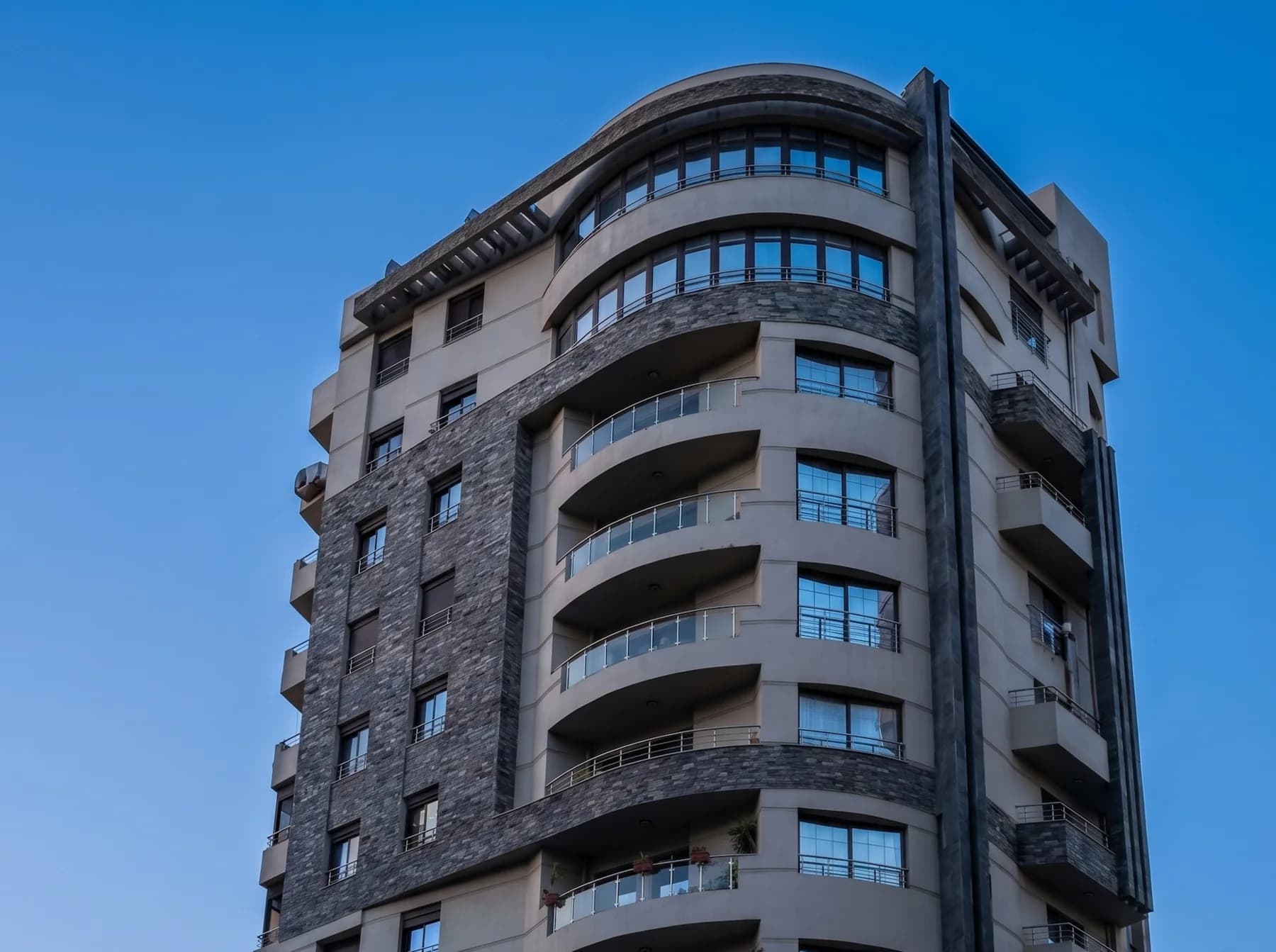
Completed Residential Tower
Heritage Bigavita
The beginning of Heritage’s architectural journey: a compact residential tower in Kafr Abdou, Alexandria, remembered for its stonework, curved balconies, and character ahead of its time.
Project Position
A small footprint, but a defining beginning for the Heritage portfolio.
Bigavita marked the birth of the Heritage architectural identity. At a time when many residential towers were treated as simple apartment buildings, this project introduced a more deliberate language — stonework, curved balconies, vertical presence, and a façade designed to be remembered.
Completed in 2010, the project became an early signal of what Heritage would continue to pursue: residential buildings with identity, proportion, and a stronger relationship to the city around them.
Project Facts
Project Name
Heritage Bigavita
Location
Kafr Abdou, Alexandria
Project Type
Residential tower
Land Area
250 m²
Residences
22 Apartments
Status
Completed in 2010
The Beginning
The ambition was already visible before the building was complete.
Bigavita should be read as the first page of the Heritage architectural story. The construction archive matters because it shows the design direction taking form: the curved balcony rhythm, the vertical reading, and the stone façade expression that would become part of the company’s identity.
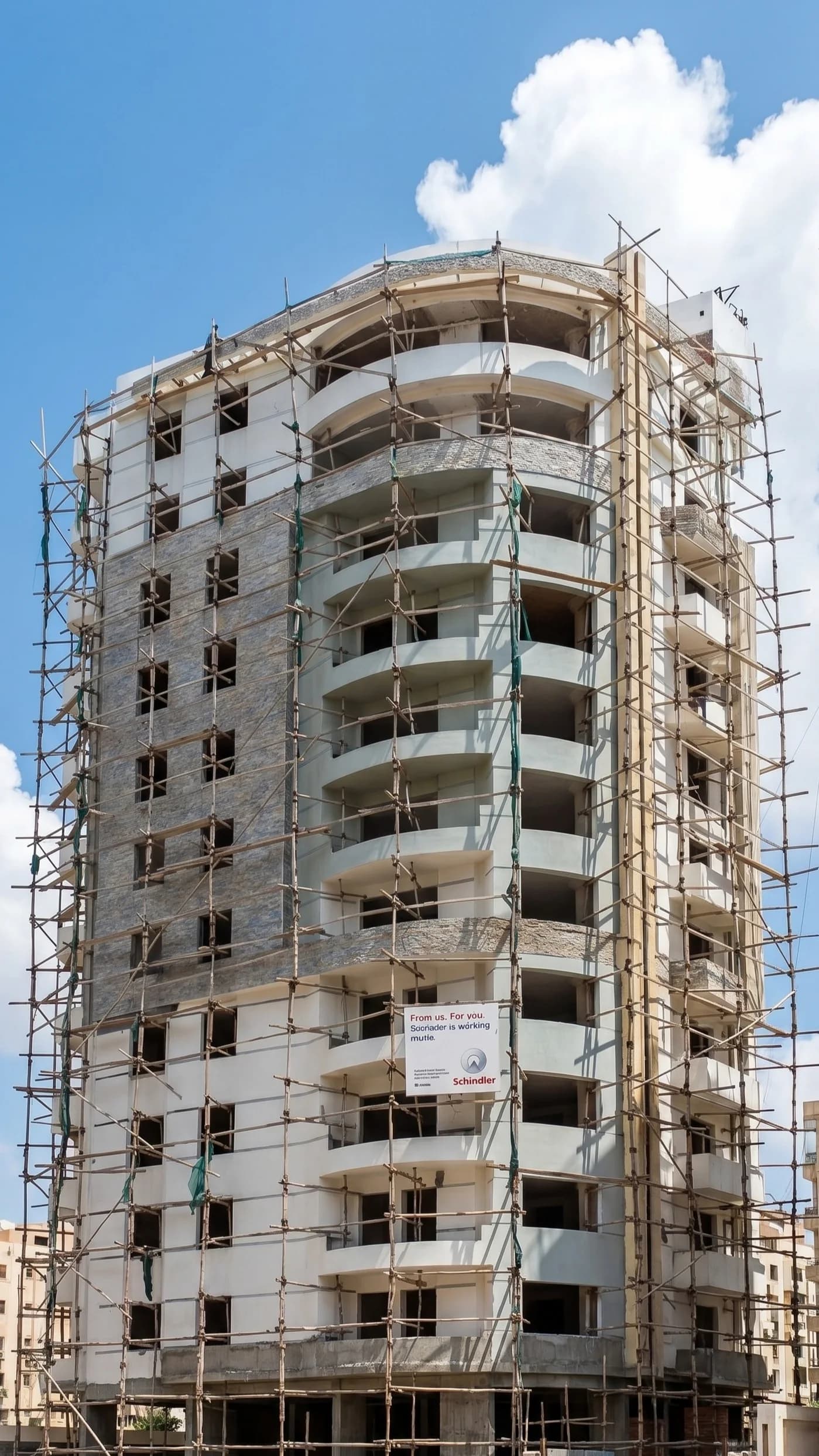
A Beginning Point
Bigavita helped establish the first visible chapter of Heritage’s design confidence, where residential development began to carry a stronger sense of intention.
Ahead of Its Time
For its period, the project stood apart through its stonework, curved balconies, and a more deliberate concern for visual presence.
From Delivery to Identity
The project marked a shift from construction as execution alone toward a residential building shaped to be recognized and remembered.
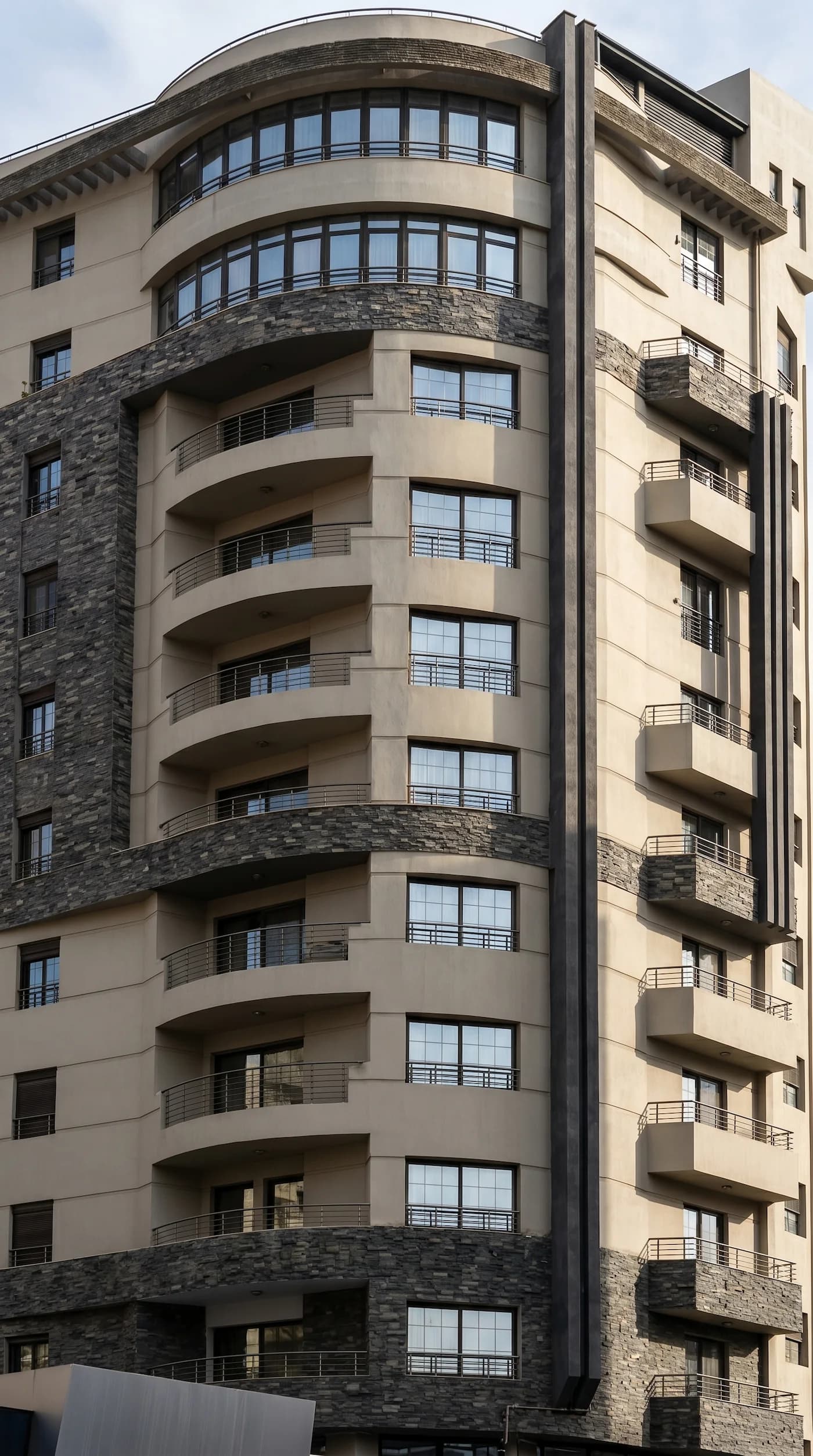
Visual Signature
Stonework, curves, and vertical rhythm gave Bigavita its identity.
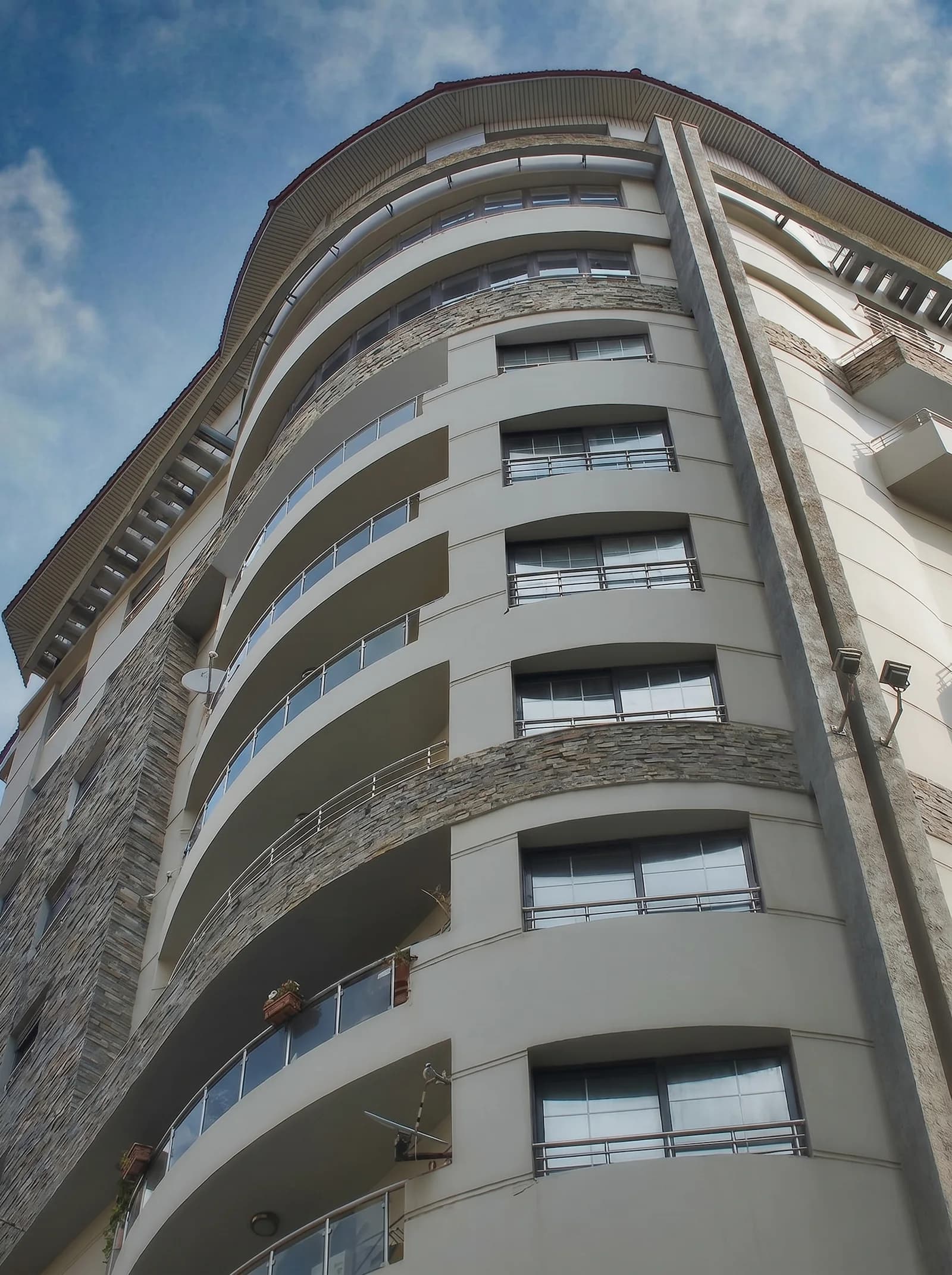
The tower’s strength comes from the balance between soft balcony curves and firm vertical elements. Its stone façade language gave the project depth, weight, and a more established presence than many residential buildings of its time.
Design Signals
- Curved balconies giving the tower a softer residential rhythm
- Stone façade language adding depth, texture, and market distinction
- Vertical architectural lines giving the building a stronger urban reading
- A compact footprint transformed into a recognizable residential tower
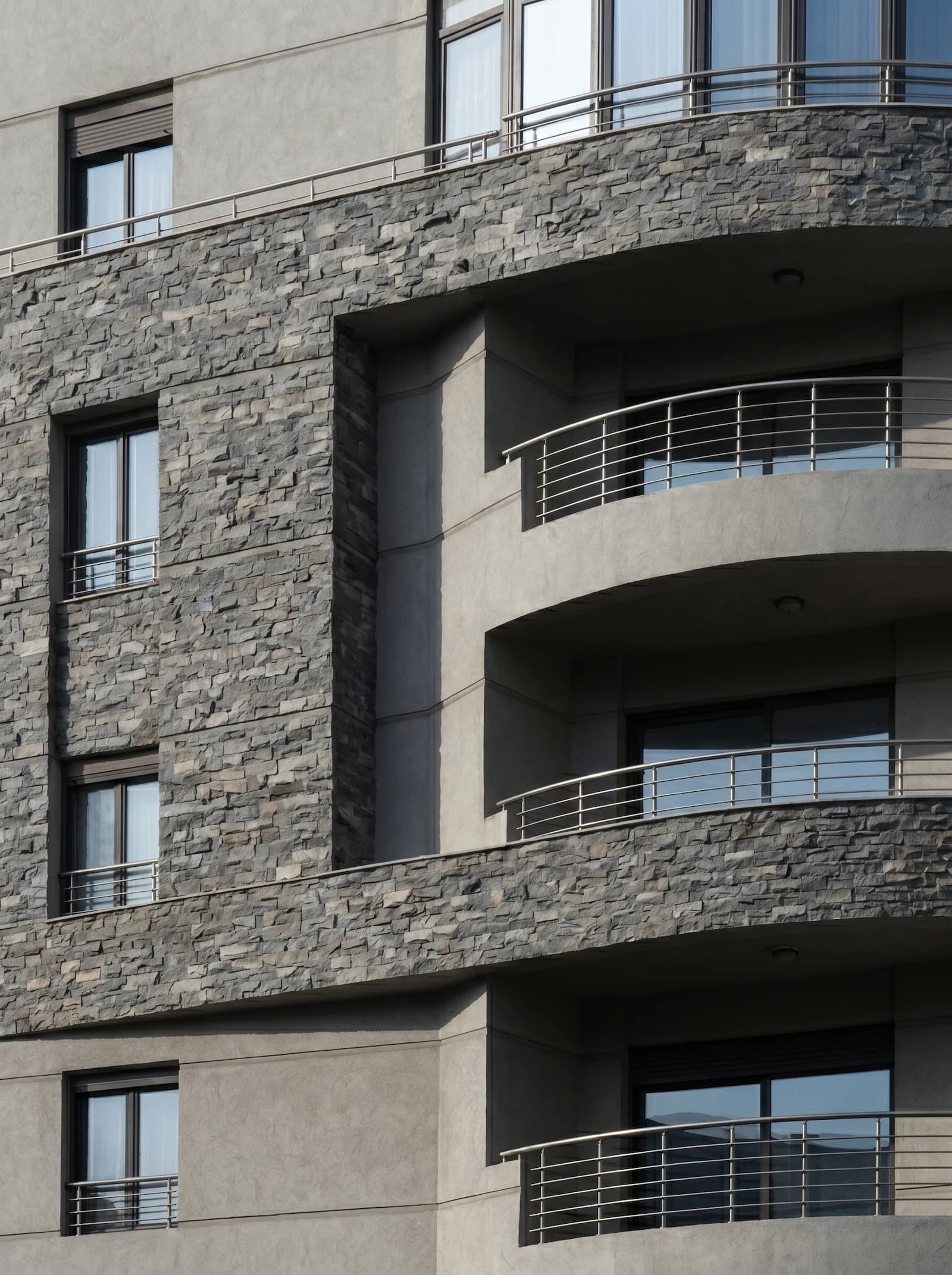
Stone Façade
The stonework gave Bigavita a stronger material identity, helping it stand apart from simpler residential façades of its time.
Design Signals
- Curved balconies giving the tower a softer residential rhythm
- Stone façade language adding depth, texture, and market distinction
- Vertical architectural lines giving the building a stronger urban reading
- A compact footprint transformed into a recognizable residential tower
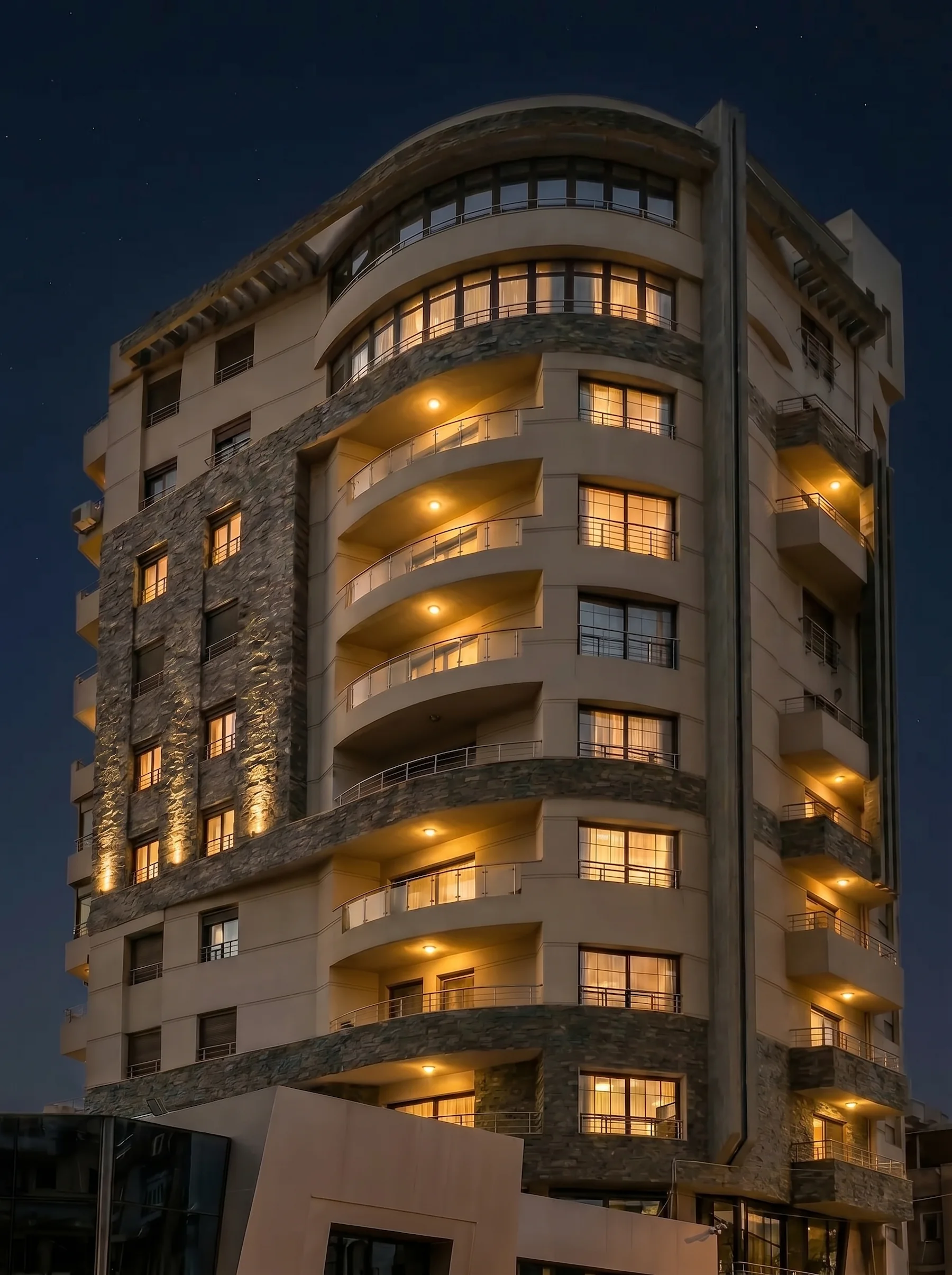
Night Presence
At night, the tower’s curves and stonework read with greater depth, giving the project a quiet presence beyond its compact footprint.
Small Footprint, Lasting Role
Modest in scale, but important to the Heritage story.
With 22 apartments on a 250 m² land plot, Bigavita shows how an early compact project could still carry design ambition. Its role was not only to deliver residences, but to begin defining a more confident Heritage design language.
- Among Heritage’s earliest architectural statements in Alexandria
- A compact project that carried strong visual ambition
- A residential tower that helped shape later Heritage design confidence
- An early expression of the stone façade language associated with the brand
Portfolio Continuation
Continue through the Heritage portfolio.
Bigavita marks a beginning. The later portfolio shows how that early design confidence developed into larger residential, redevelopment, and destination-scale work.